

As electricity prices continue to rise and power outages remain a concern in some parts of the country, many Kenyan homeowners and businesses are turning to solar energy as a reliable and cost-effective alternative. One of the first questions most people ask is
The answer depends on several factors, including the size of the system, the quality of equipment, battery storage requirements, and installation complexity. While a small residential solar system may cost a few hundred thousand shillings, larger systems designed to power businesses or institutions can require a significantly higher investment.
Factors That Affect Solar Installation Costs in Kenya
This guide breaks down the costs of solar installation in Kenya, the factors that influence pricing, and what you should expect when planning your solar energy project.
Factors That Affect Solar Installation Costs in Kenya
- System Size and Energy Requirements
The larger your electricity consumption, the larger the solar system required. A household that only needs lighting and basic appliances will require fewer solar panels than a home running refrigerators, water pumps, air conditioners, and other high-power equipment. - Type and Quality of Solar Panels
Solar panels come in different technologies and efficiency levels. Premium panels generally cost more but provide higher energy output, better durability, and longer warranties. - Battery Storage Capacity
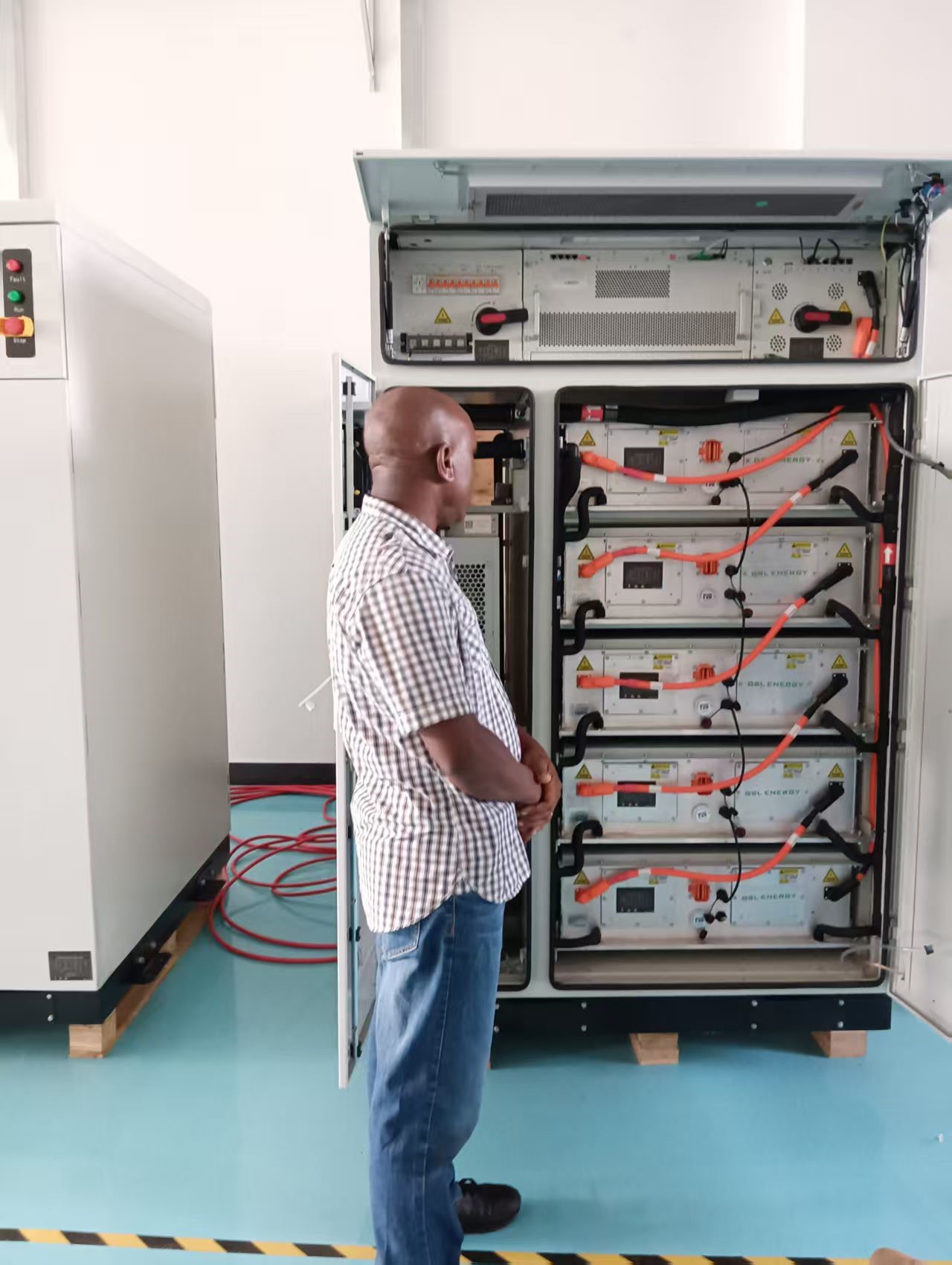
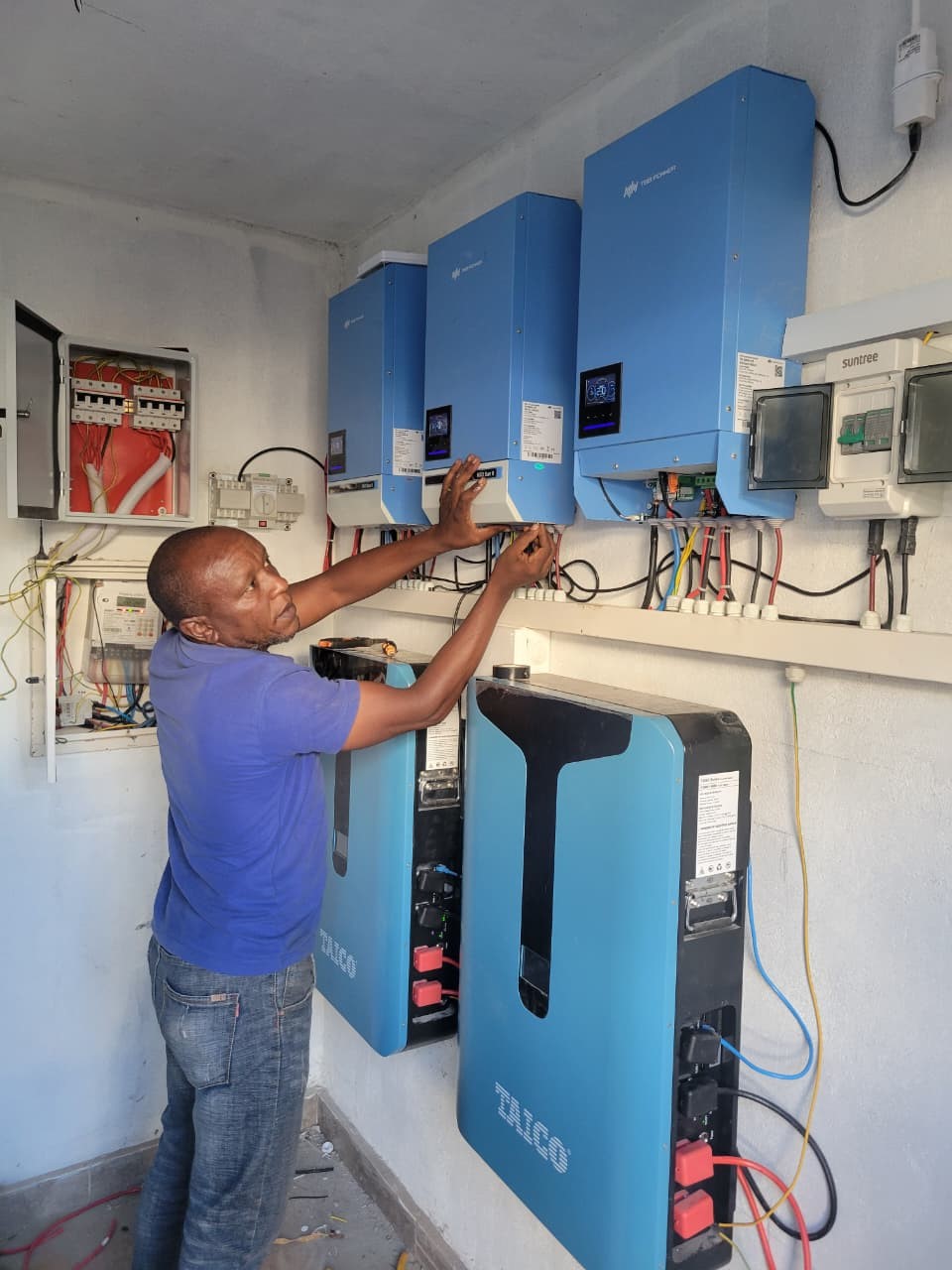
For off-grid and hybrid systems, batteries represent a significant portion of the total cost. Lithium batteries typically cost more upfront than lead-acid batteries but offer longer lifespan, higher efficiency, and lower maintenance. - Inverter Selection
The inverter converts solar-generated DC power into AC power for household and commercial use. The type and capacity of the inverter directly affect the overall project cost. - Installation Complexity
Roof type, building height, cable routing, mounting structures, and site accessibility can influence labor and installation expenses. - Additional Components
A complete solar system may include:
Mounting structures
Charge controllers
Monitoring systems
Protection devices
Wiring and accessories
These components contribute to the total installation cost.
Average Solar Installation Costs in Kenya
The following estimates provide a general guide to solar installation pricing:
System Size
Suitable For
Estimated Cost (KES)
1kW
Basic household needs
120,000 – 250,000
3kW
Small to medium homes
350,000 – 700,000
5kW
Larger homes
650,000 – 1,200,000
10kW
Large homes and small businesses
1,200,000 – 2,500,000
20kW+
Commercial facilities
2,500,000+
Note: Prices vary depending on equipment brands, battery storage requirements, and installation conditions.
Cost Examples for Different Users
Residential Home
A typical three-bedroom home consuming moderate electricity may require a 3kW to 5kW solar system. Depending on battery capacity and equipment quality, installation costs may range between KES 400,000 and KES 1,200,000.
Small Business
Retail shops, offices, and small workshops often benefit from systems ranging between 5kW and 10kW. Such installations typically cost between KES 800,000 and KES 2,500,000.
Schools and Institutions
Schools, hospitals, and other institutions generally require larger systems with substantial battery storage. Costs can range from several million shillings depending on energy demand.Is Solar Worth the Investment? - Although the initial investment may seem significant, solar energy offers long-term savings by reducing electricity bills and dependence on the national grid. Most well-designed systems can provide reliable power for many years with minimal maintenance.
- Benefits include:
- Lower electricity costs
- Protection against rising energy prices
- Reduced power interruptions
- Environmentally friendly energy generation
- Increased property value
- Many users recover their investment through electricity savings over time.
- How to Choose the Right Solar Installer
- When selecting a solar installation company, consider:
- Industry experience
- Quality of equipment supplied
- Warranty coverage
- Customer reviews and testimonials
- Technical support availability
- Licensing and certification
- A reputable installer will assess your energy needs and recommend a system tailored to your requirements and budget.
Conclusion
Solar energy is becoming an increasingly attractive solution for homes and businesses across Kenya. Installation costs vary depending on system size, battery storage, equipment quality, and site conditions. While the upfront investment can be substantial, the long-term savings and energy independence often make solar a worthwhile investment.
Before making a decision, consult a trusted solar provider for a professional site assessment and customized quotation. With the right system, you can enjoy reliable, clean, and affordable energy for years to come.
Frequently Asked Questions
How much does it cost to install solar panels in Kenya?
Residential solar installations typically range from KES 120,000 for small systems to over KES 1,200,000 for larger home installations.
How many solar panels does a typical home need?
Most homes require between 4 and 15 solar panels depending on electricity consumption and panel wattage.
Do I need batteries for my solar system?
Batteries are necessary for off-grid and hybrid systems but may not be required for grid-tied installations.
How long do solar panels last?
Quality solar panels generally last 25 years or more with proper maintenance.
Can solar power run an entire house?
Yes. A properly designed solar system can power an entire home, including lighting, appliances, and essential equipment. For more information about renewable energy regulations in Kenya, visit the Energy and Petroleum Regulatory Authority (EPRA).